What we are doing?
This project is looking to support the team already supporting conservation work in New Zealand. Any action taken across the country to reduce pests and increase endemic species is a move we want to help with. Whether on private or public land, forests, wetlands, alpine; wilderness, rural or urban. If we can reduce the pests on the ground like introduced stoats and rats, we give the creatures found only here a chance to stay. We love to encourage best practice, scientific innovation, but most immediately, on the ground action. To do this we’re putting our money where our mouths are and committing 50% of our profits to conservation through existing trusts working in these areas.
The Conservation effort we will be supporting next is:
Open to suggestions, Eastern Whio Link? The forest lifeforce restoration trust? so many good options.
As the donations are still small at this point we are looking to donate to existing trusts and groups that are set up to receive donations easily online, and who are putting the work with trap lines to get predator numbers down in their areas.
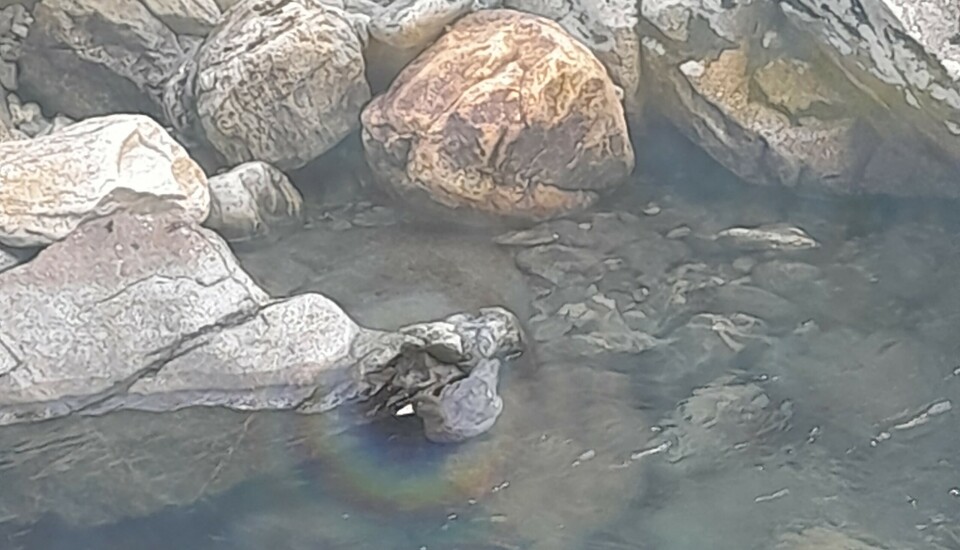
If you would like to donate or contribute to a conservation effort visit https://www.doc.govt.nz/get-involved/volunteer/make-a-donation/Image of Whio, Blue duck, in the Milford track Catchment area.
24 Donation was made to:
Halo Whakatane
23 Donation was made to:
The Hollyford Conservation Trust
22 Donation was made to:
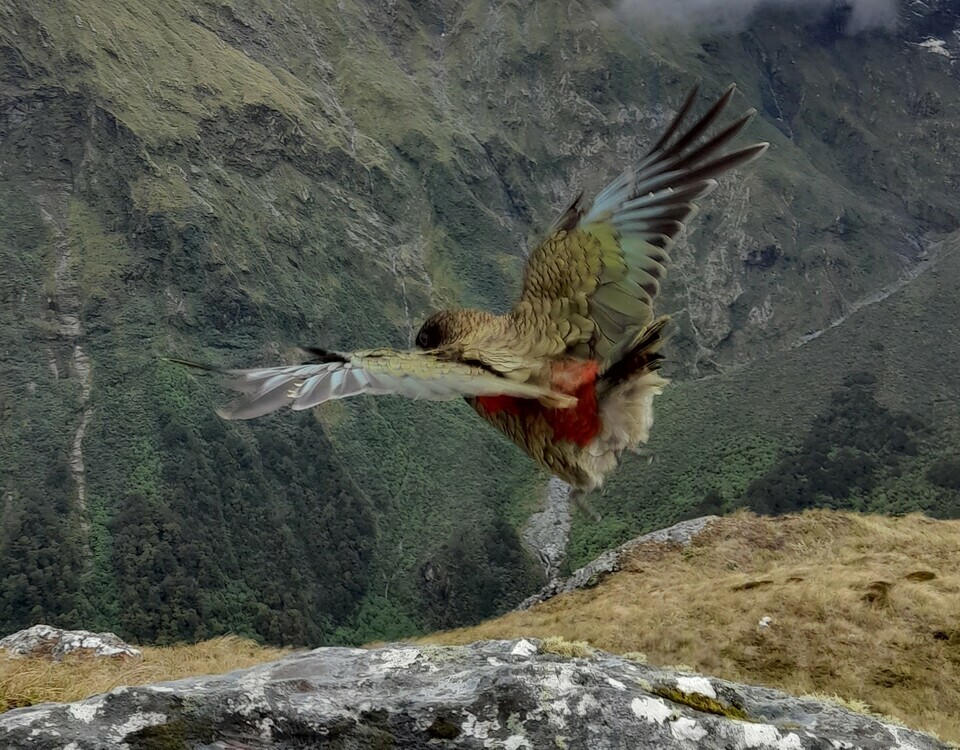
The Kea Conservation Trust
Why we are doing it?
Aotearoa, New Zealand has very unique wildlife. Prior to human arrival this land and the creatures on it, developed in isolation from other land masses. The plants and animals that are globally common, such as mammals, were not part of this ecosystems development. The only land based mammals endemic to NZ are our insect eating bats (and ocean feeding mammals; sea lions and seals). Aside from them, if it has teeth it was probably brought here by people. This means that our unique species are not equipped to defend themselves from, or compete with creatures from other parts of the world. Some of our most iconic birds have never needed to fly. Reports from some of the first Europeans to arrive include: requests for the boat to be moored further from from shore in the Wellington harbor as the dawn chorus was so loud, and reports of disrupted to impossible sleep from the first records of people passing through the Milford track. Now the majority of the forests are eerily quiet.
Since human arrival it is estimated the we have lost between 60% and 40% of our endemic species. Our endemic species offer invaluable cultural and scientific value to the people of Aotearoa. The majority has been lost since the 1800s due to the introduction of predators such as rats, cats, ferrets and stoats. If we want to keep the iconic species we have left we need to act. Lucky for us the action has started, across our big backyard and into the wilderness small groups of brave scientists, outdoorsmen and nature lovers have started to meet the challenge of protecting our unique wildlife.
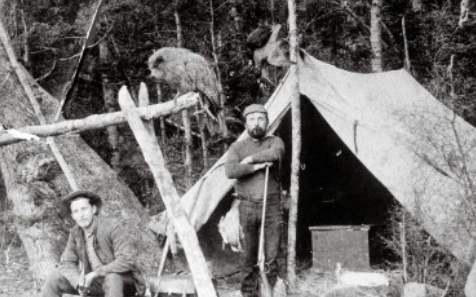
(Image of Kakapo perched at camp in Fiordland 1888, with Quintin Mackinnon, of the Milford Track.)